NASA’s First Next-Generation Satellite Laser Begins Work in Svalbard
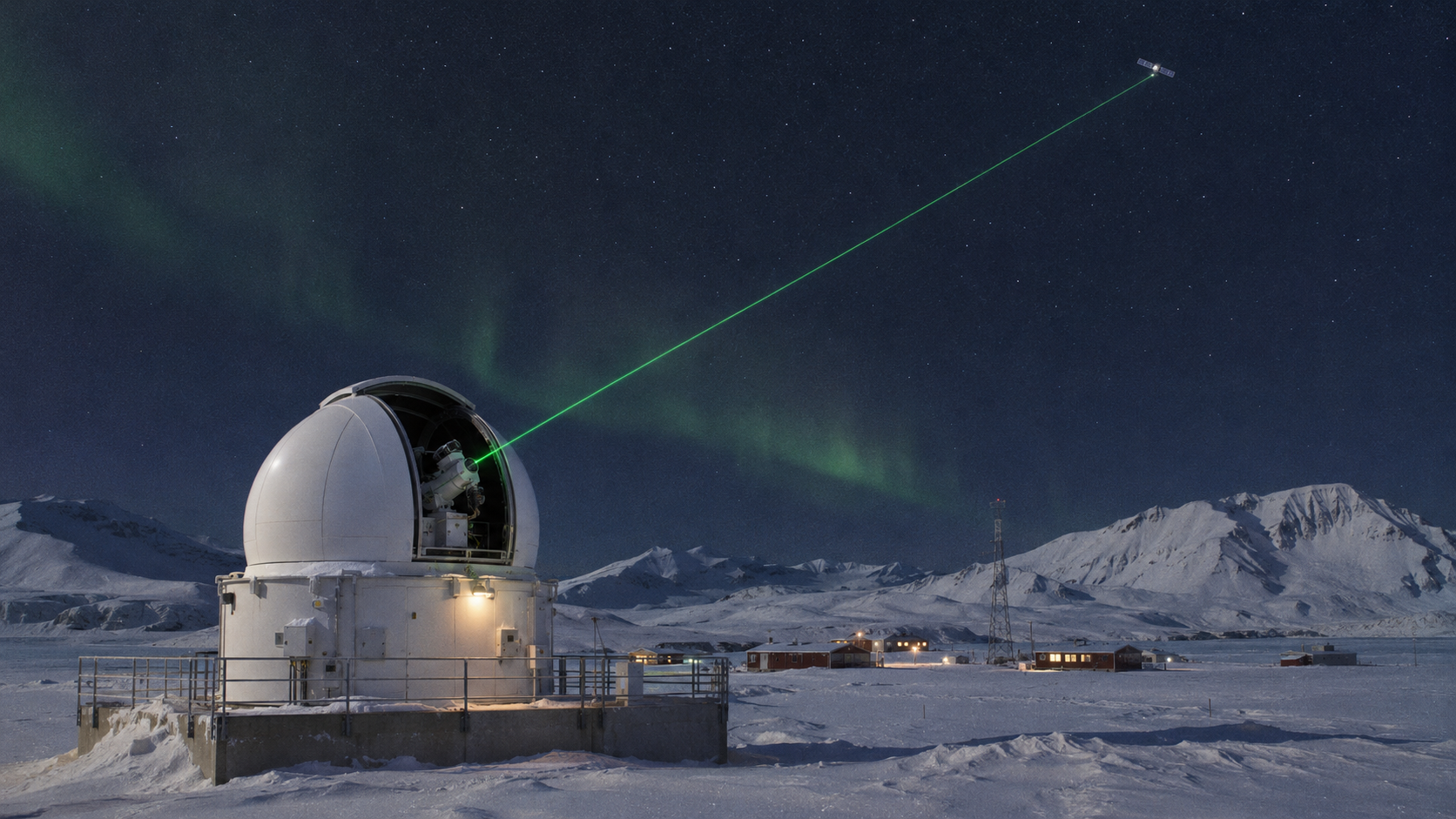
On 23 November, NASA highlighted the first next-generation satellite laser ranging system to enter operation. The facility is working at the Ny-Ålesund Geodetic Observatory in Svalbard, the northernmost station of its kind in the world.
The Space Geodesy Satellite Laser Ranging system sends short pulses toward satellites fitted with special reflectors and measures how long the light takes to return. This allows specialists to determine a spacecraft’s distance with high precision and refine its orbit. According to NASA Earth Observatory, the new system fires thousands of pulses per second, compared with tens per second for older installations, and its sensors can detect individual photons.
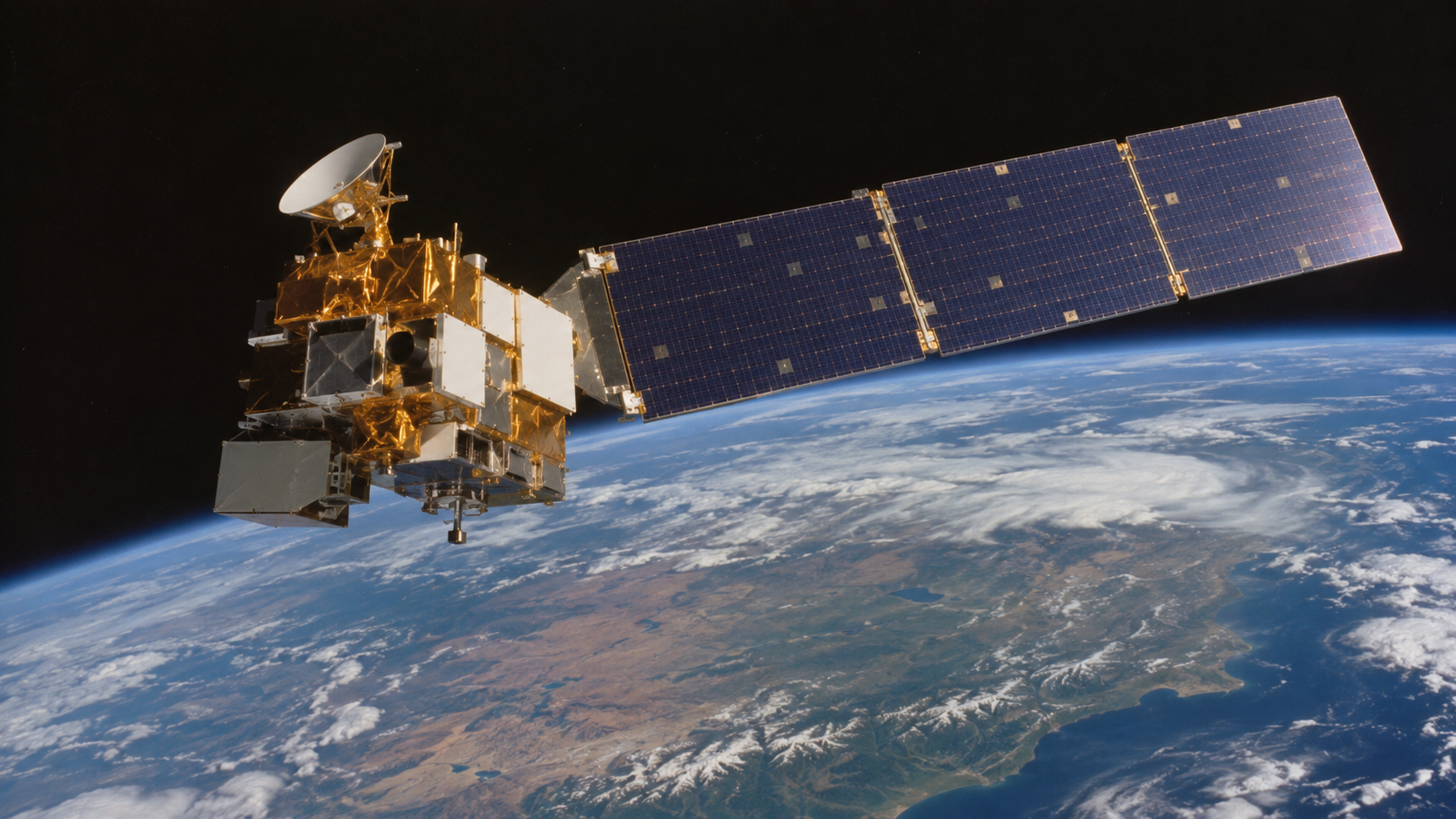
Its location near 79° north is particularly valuable for polar-orbiting missions, including ICESat-2 and GRACE-FO. From Svalbard, these satellites can be tracked on nearly every orbit, improving the calibration of measurements of ice elevation, sea level, and changes to Earth’s surface.
The Norwegian Mapping Authority confirms that this is the first station of the new type delivered by NASA and an important part of the global geodetic network. Its data will improve estimates of Earth’s centre and support the reference frames used by GPS, Galileo, Copernicus, and other satellite services. NASA is building two more systems for observatories in Maryland and Texas.
Check the clouds for your location on the NightSkyCast map