Mars Express Reveals the Eight-Kilometre Volcano Tharsis Tholus
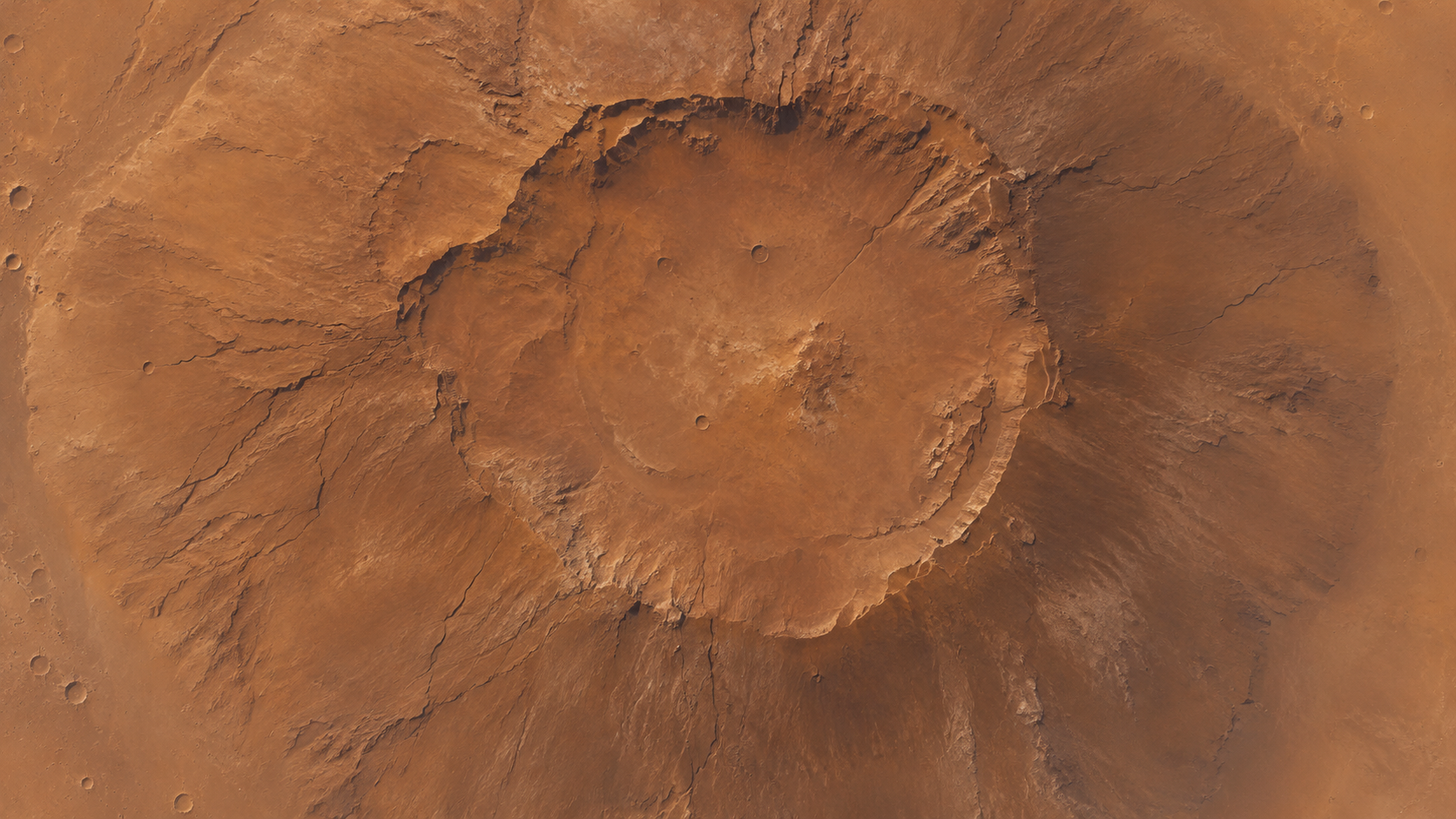
ESA has published a new view of the Martian volcano Tharsis Tholus captured by Mars Express. Its caldera, a large depression at the summit, stands out in the image. The volcano rises about eight kilometres: an enormous mountain by Earth standards, though Mars has much larger volcanoes.
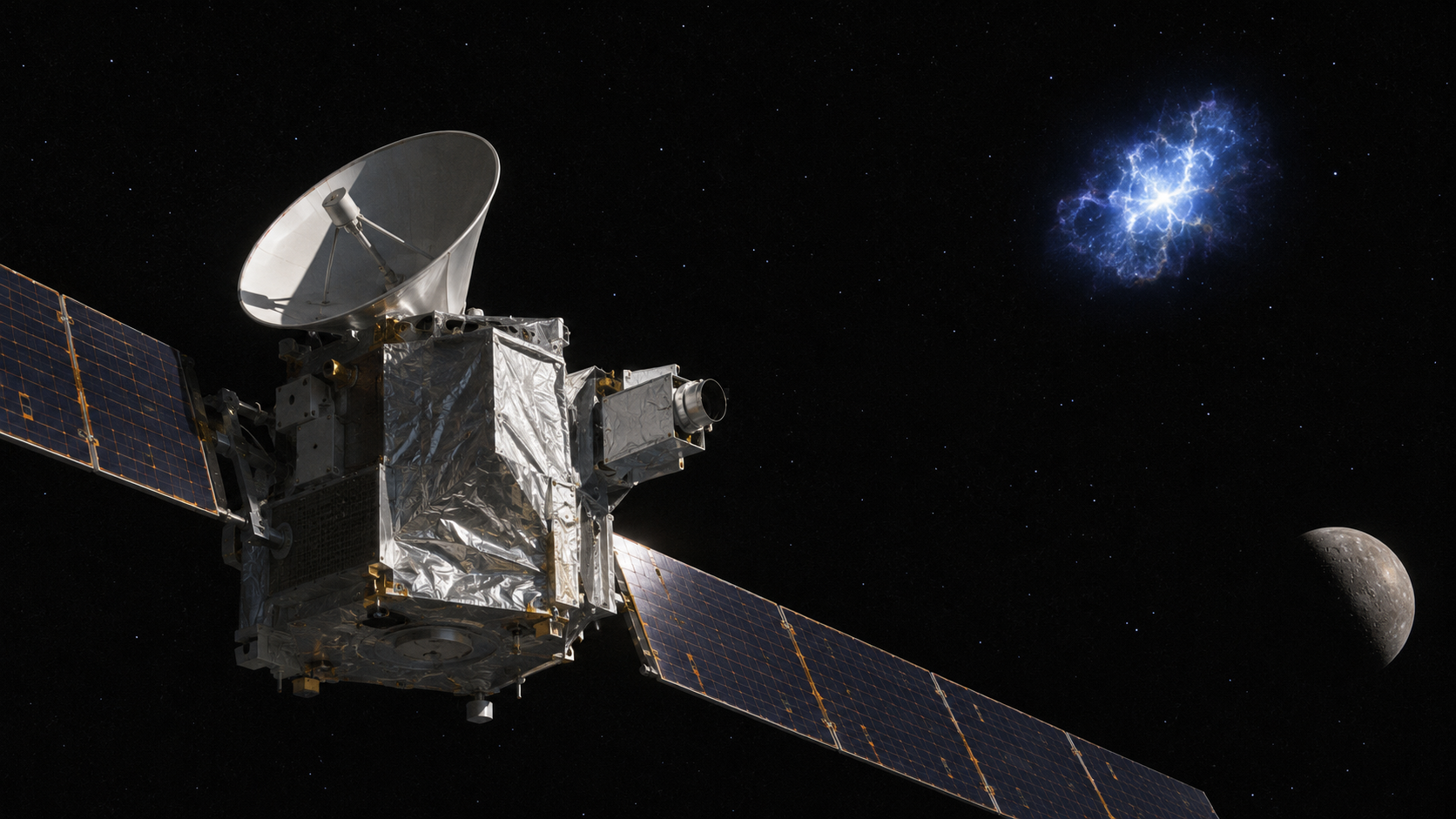
The spacecraft’s High Resolution Stereo Camera gathered the data on June 15, 2026, during orbit 28331; ESA presented the image in November. The original image has a ground resolution of about 18 metres per pixel. It reveals the shape of the slopes, the edge of the caldera and nearby craters, features that help scientists investigate the history of this volcanic landscape.
The flanks of Tharsis Tholus slope at roughly 10 degrees. ESA increased the vertical scale threefold in some 3D views to make the relief easier to see. Heights in those visualizations therefore should not be judged as though they were ordinary landscape photographs.
Mars Express continues to show the variety of the Red Planet’s volcanic history. This is a new image of a known volcano, not a report of an active eruption.
Source: ESA — Tharsis Tholus.
Check clouds for your location on the NightSkyCast map