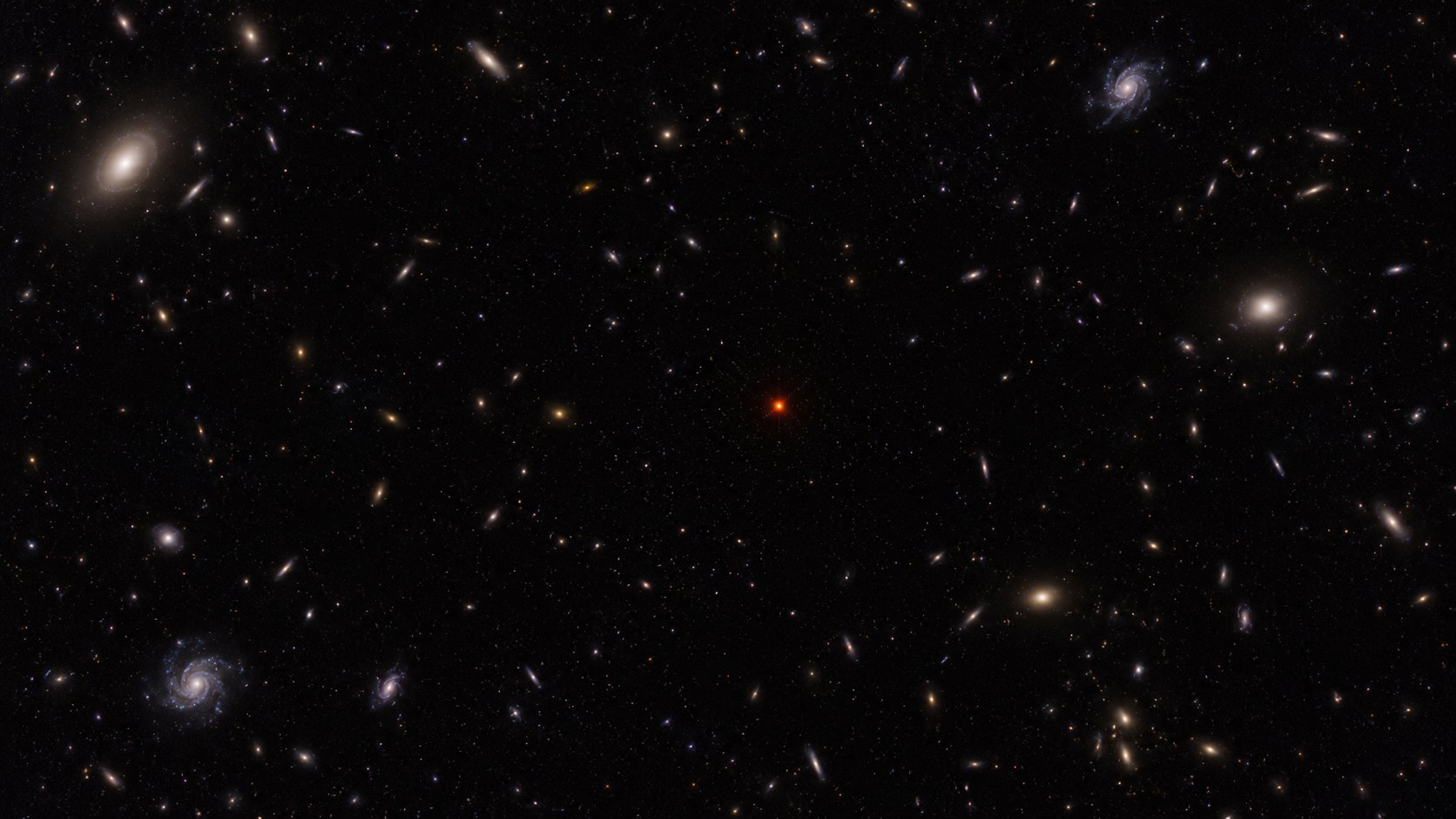
Gaia prepares its biggest stellar data release for 2 December
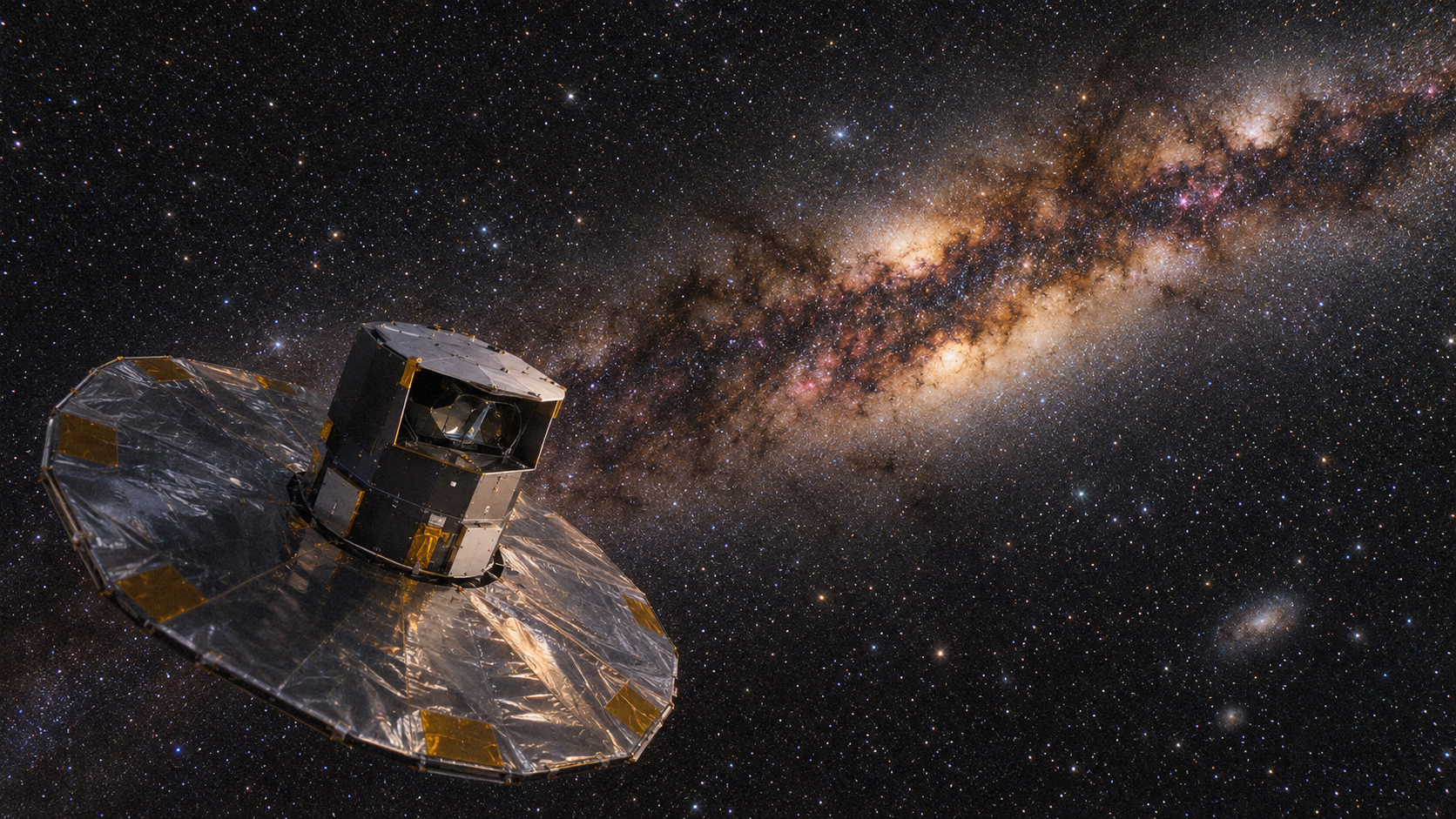
On 26 November 2026, the European Space Agency highlighted the upcoming Gaia Data Release 4, the mission’s first principal release of data from the Gaia space observatory.
The release will be presented live by ESA on 2 December from 14:45 to 16:30 CET, or 16:45 to 18:30 in Vilnius. It will contain about 1.5 trillion measurements of roughly two billion stars and other celestial objects. Collected over 66 months, the dataset will provide the most detailed view yet of the motions and properties of objects in the Milky Way.
Gaia ended its science observations in January 2025, but its archive continues to grow as accumulated measurements are processed. The fourth release is expected to improve positions, distances, velocities, and stellar characteristics, while adding information about binary systems, variable stars, and Solar System objects.
For amateurs, this will not be a collection of ready-made space photographs: Gaia measures positions and motion rather than imaging the sky like a conventional telescope. Those measurements can reveal how the Galaxy rotates, how star clusters move, and which objects pass near the Solar System.
According to ESA, the release will be the mission’s largest dataset, covering about two billion sources and 1.5 trillion observations. The event will stream on ESA Web TV.
Check the clouds for your location on the NightSkyCast map