How to tell whether you’ll see stars tonight
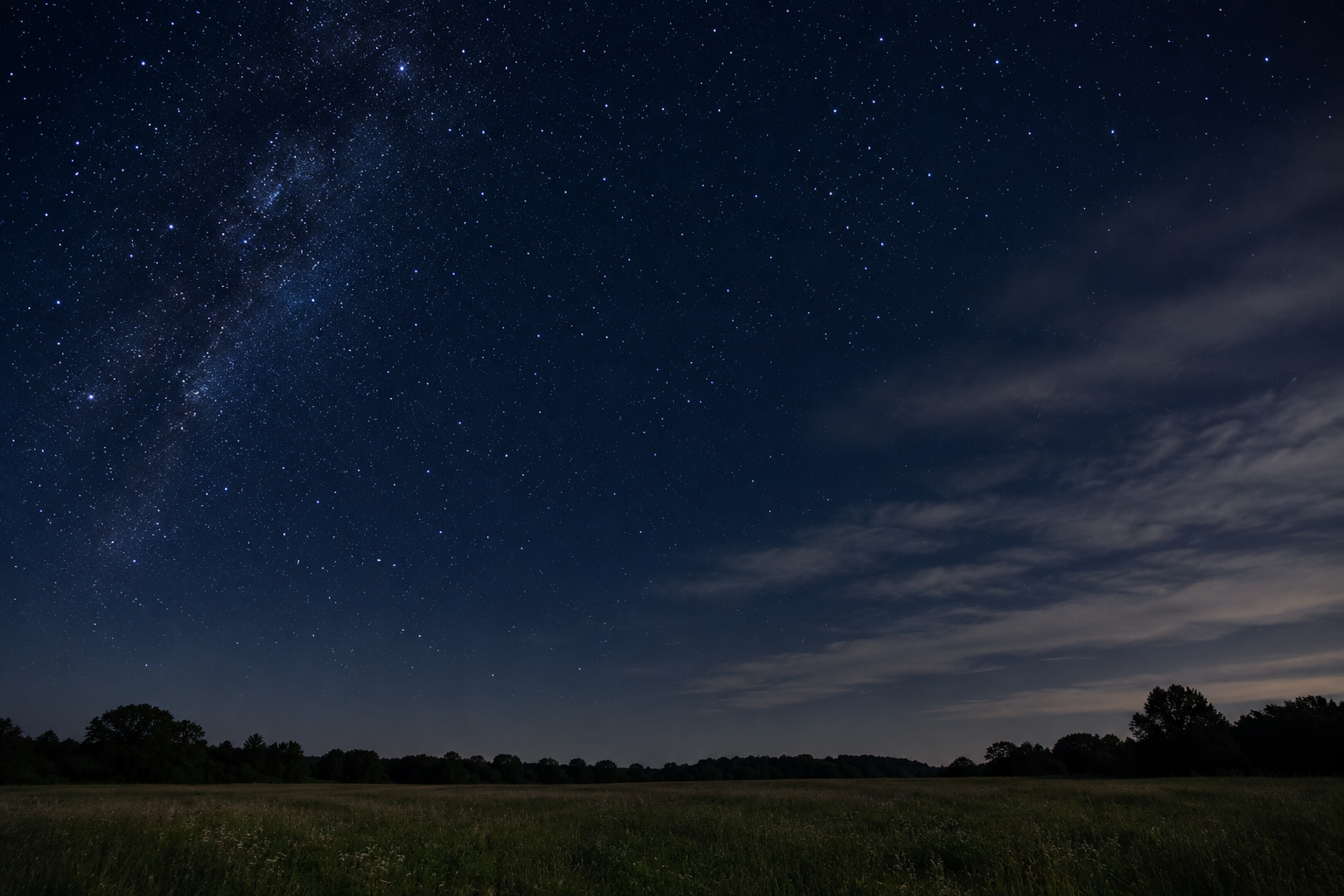
If clouds hung over your town during the day, the whole evening may still be worth a look. An hour of clear sky is often enough for stargazing. Check how cloud cover changes over your observing spot after dark and pick a time when the part of the sky you want to see will be clearest.
Check clouds hour by hour
Choose your observing spot on the NightSkyCast map and move the time slider to the evening. Compare several consecutive hours and check low, middle, and high clouds separately. Thick clouds hide stars. Thin high clouds can dim fainter objects even while the brightest stars are still easy to see. How to read the night forecast
Consider the Moon and city lights
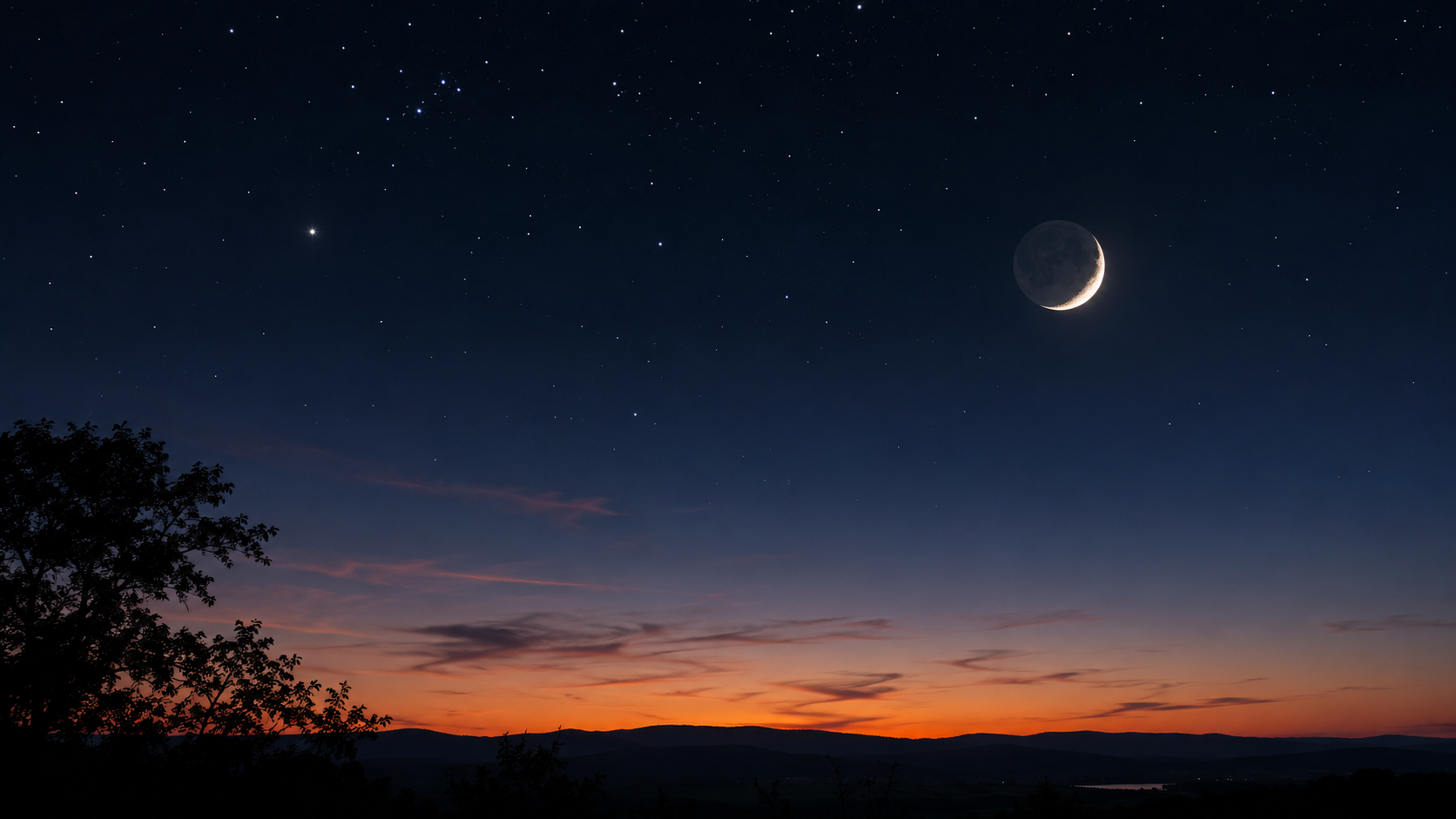
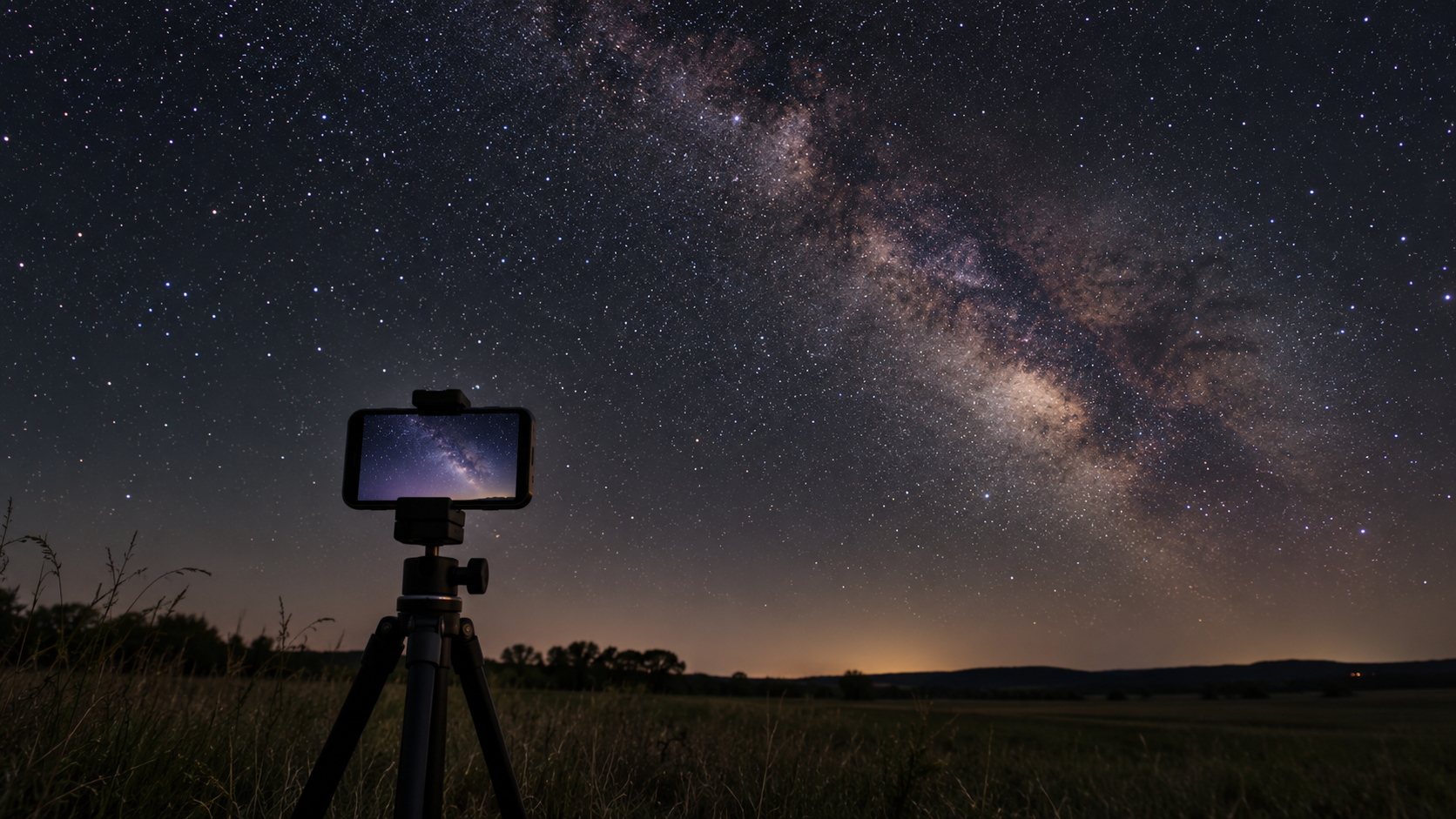
You can start close to home if you want to look at the Moon or a bright planet. For faint star clusters and the Milky Way, pick a place away from streetlights and a time when the Moon is below the horizon. If your target is in a particular direction, check for trees, buildings, or bright skyglow there.
Pick a first-choice time and a backup. Refresh the forecast and take a look outside before you leave. If the clear spell has shifted, you can go out at a better hour.
Check cloud cover for your location on the NightSkyCast map