How to choose a night to photograph the Milky Way
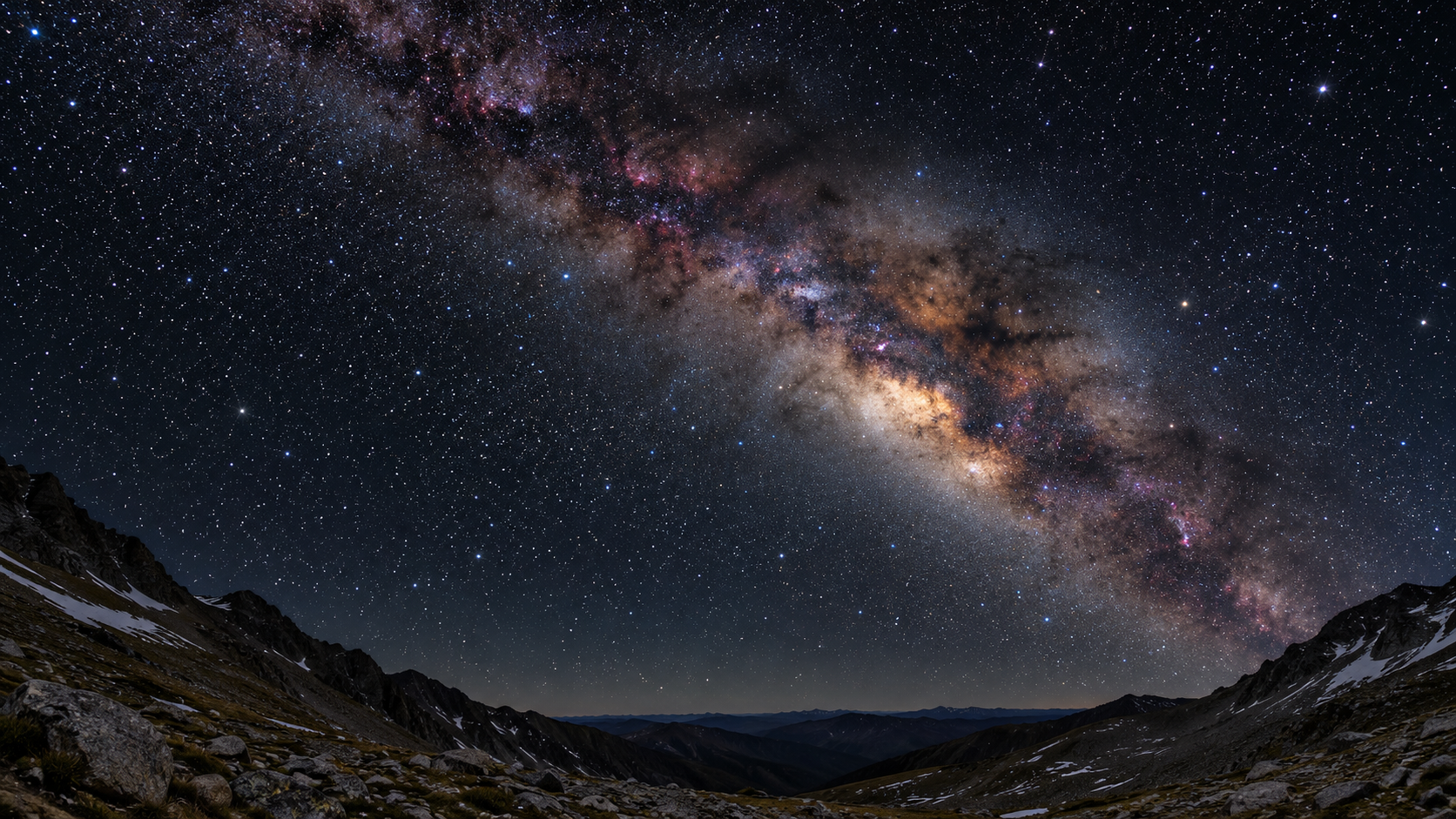
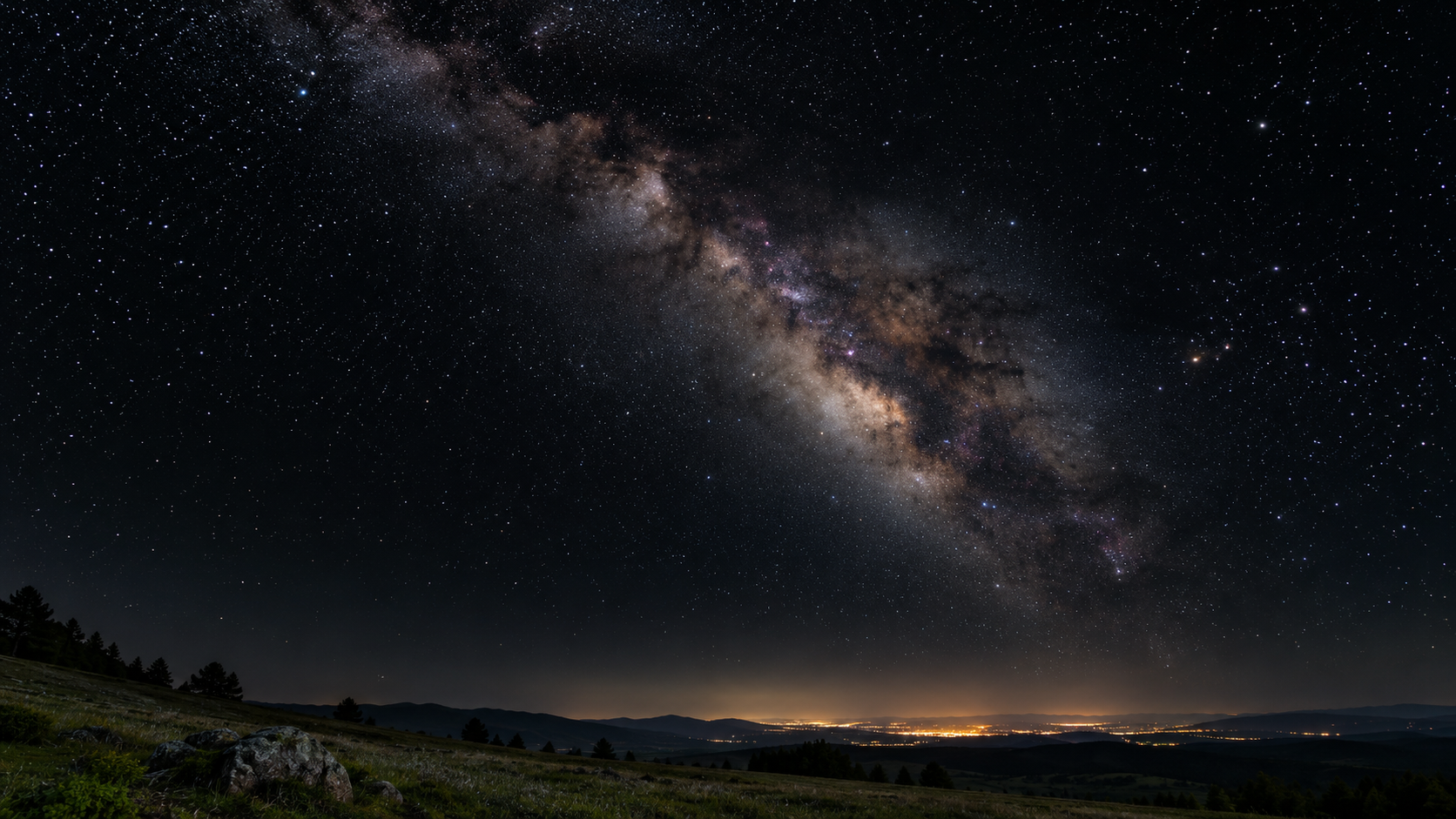
Photographing the Milky Way calls for a dark sky, transparent air and an open horizon. Start by choosing the night: a bright Moon lights the background and makes the fainter parts of the galactic band harder to see. Check the Moon’s phase and the hours it is above the horizon for your location. Nights near new Moon are usually better for contrast, but clouds and haze can still spoil a shot.
Choose a site away from city lights. Even when the sky overhead is dark, a glow on the horizon can brighten the part of the sky you want to photograph. The Milky Way’s direction and available observing hours change through the year and depend on latitude, so open a sky chart set for the date and location.
Check the site
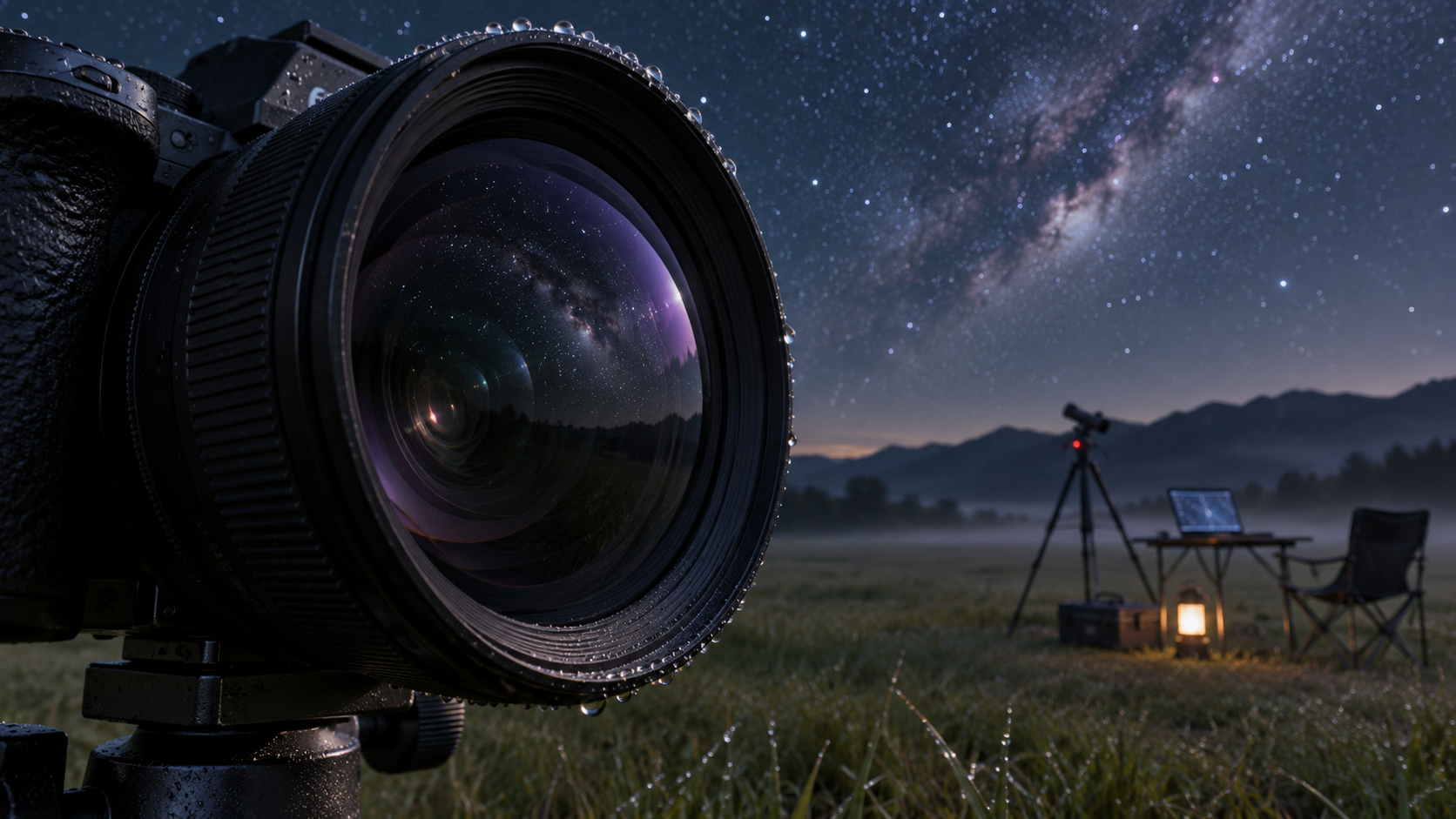
Find a safe place with an open view and no bright lamps. Check the hourly cloud forecast, consider humidity and have a backup plan. Bring a tripod, spare battery and warm clothing; a session can take several hours. Take test exposures before beginning a long sequence.
Check clouds for your location on the NightSkyCast map